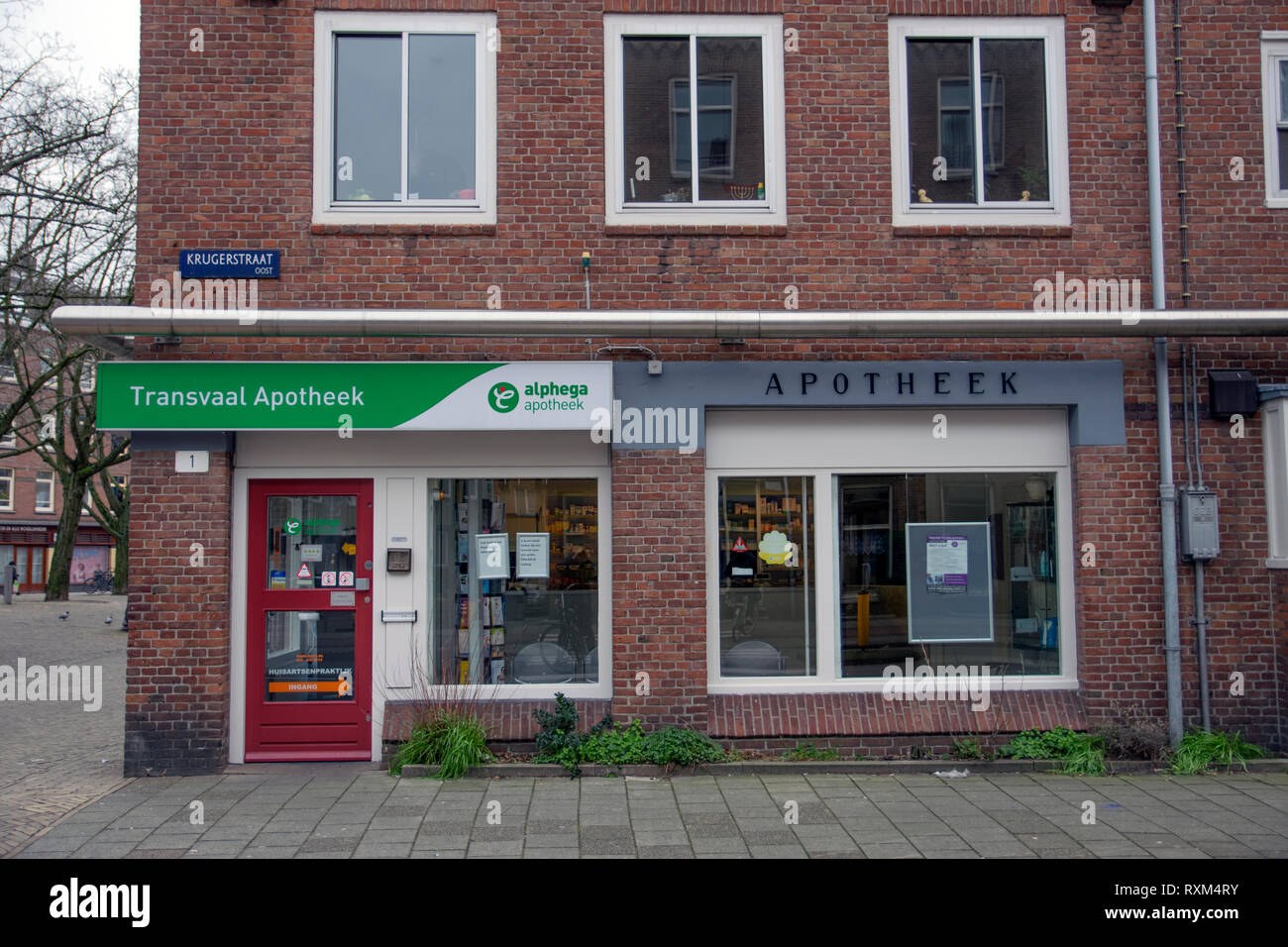
When you go to a pharmacy in the Netherlands to fill a prescription, you’ll pay through your insurance or out of pocket. It’s a highly regulated and efficient system, but it’s strictly controlled. You have to follow certain steps to avoid extra costs or delays.
What is the difference between a doctor and a pharmacist here?
You can’t just walk into a pharmacy and demand antibiotics or strong painkillers. The system relies on a strict hierarchy where the GP (General Practitioner) acts as the gatekeeper. If you have a nagging cough, see your doctor first. They decide if you need medication, and if so, they send an electronic prescription straight to your chosen pharmacy.
The pharmacist’s job is to make sure what the doctor prescribed actually works with what you’re already taking. They check for dangerous interactions and verify your dosage. Think of the doctor as the architect and the pharmacist as the site inspector. One draws the plans; the other makes sure the building won’t collapse because of a bad mix of materials.
If you try to bypass this by asking for “something strong” for an earache, you’ll likely walk away empty-handed. Pharmacists in the Netherlands have the autonomy to refuse a sale if they think the medication isn’t right for your symptoms. They aren’t just shopkeepers; they are trained medical professionals with a legal mandate to protect you from yourself.
You’ll notice a distinction between medicijnen op recept (prescription meds) and zelfzorgmiddelen (over-the-counter stuff). For the former, you need a digital order from a doctor. For the latter, you can grab a box of ibuprofen or cough syrup off the shelf, though you should still ask the staff for advice before you pay.
How do I actually get my medicine without getting ripped off?
Getting your pills can be surprisingly smooth if you do it right. Most pharmacies are linked to your insurance provider via your BSN (Citizen Service Number). When you walk in and they scan your insurance card, the system tells them exactly what is covered. This stops you from paying full price for something your policy should handle.
However, watch out for the eigen risico, or the deductible. Even if the pharmacy says it is “covered,” you might still see a bill later because you haven’t met your annual deductible yet. It’s a common frustration for expats and locals alike. You might walk out with your medication today, but your insurance company will send you a separate bill three months from now. (I once saw a man argue for twenty minutes about a five-euro difference, only to find out he had simply forgotten he hadn’t met his deductible for the year.)
You can choose to use a specific Amster Apotheek apotheek or a local neighborhood branch. Most people stick to the one closest to their house, but it’s worth checking if your insurance has a “preferred” pharmacy. Some insurers have contracts with specific chains that might result in lower out-of-pocket costs for you.
If you have a recurring prescription, you don’t need to keep running back to the shop. You can set up a herhaalrecept, which is a refill request. The pharmacy will prepare it, and you can either pick it up or have it delivered to your home via a courier. This is useful if you live in a city where parking is a nightmare.
| Service Type | How to Get It | Typical Cost Structure |
| Prescription Meds | Doctor sends electronic order | Insurance + Deductible |
| Over-the-counter | Walk in and pick up | Direct payment |
| Refills | Requested via pharmacy/doctor | Insurance + Deductible |
| Home Delivery | Requested via pharmacy | Small delivery fee usually |
Can I use a pharmacy if I am just visiting the country?
If you’re a tourist or a short-term visitor without a Dutch insurance card, things get a bit more complicated. You’ll be treated as a private payer, meaning you have to pay for everything upfront at the counter. Keep your receipts; if you have travel insurance, you’ll need them to claim your money back later.
Pharmacists are used to dealing with non-residents and usually speak excellent English. However, you can’t get “controlled” medications without a prescription from a doctor recognized in the EU. If you bring a prescription from the US or the UK, it might not be accepted at face value without extra paperwork or a local doctor’s verification.
If you are staying for a few months on a visa, get your Dutch insurance sorted immediately. Once you have that, the pharmacy becomes a much cheaper and more integrated part of your healthcare. Without it, you’re essentially paying “retail” prices for things that would otherwise cost much less.
If you run out of medication while traveling, your best bet is to visit a huisartsenpost (an after-hours GP clinic) rather than a regular pharmacy. Pharmacies have limited hours and usually close early in the evening and on weekends. The GP clinic is where you go for urgent, non-emergency medical needs when your regular doctor is closed.
What are the hidden costs of staying healthy?
You might think health insurance means you won’t pay for anything, but that’s a mistake. There is a difference between the basisverzekering (basic insurance) and the aanvullende verzekering (supplementary insurance). Most standard medications fall under the basic plan, but there are exceptions.
Some medications are “preferred” by insurers. This means they will only cover a specific brand or a generic version. If you insist on a specific brand-name pill that the insurer doesn’t favor, you might end up paying the difference yourself. It’s a frustrating way to save money, but it’s how the system manages its budget.
Other costs involve medicijnkosten that aren’t actually the price of the pills. There is a small charge for processing the prescription, the pharmacist’s labor, and administration. You won’t see these listed as a single line item on a receipt, but they are baked into the total amount you owe.
If you need expensive, long-term medication, ask your doctor about the medicijnpaspoort. It’s a way to keep track of everything you’re taking to ensure there are no overlaps or dangerous combinations. It’s a simple tool, but it can save you a massive headache if you move between different healthcare providers.
Common Mistakes to Avoid
- Waiting until the pharmacy is closed to realize you need a refill.
- Assuming that every medication is covered by your basic insurance package.
- Walking into a pharmacy to get a prescription for something you “think” you need.
- Forgetting to check if your insurance requires a specific pharmacy for certain drugs.
This might sound like a lot of bureaucracy just to get a bottle of pills, but it’s mostly about control. The Dutch system prioritizes safety and cost-containment over convenience. While it might feel like a hurdle at first, the trade-off is a system that rarely makes mistakes with dosages or dangerous drug interactions. If you follow the rules, get your doctor’s order, check your deductible, and use your insurance card, the process is incredibly efficient.
Questions people ask
Do I need a prescription to buy medicine in a Dutch pharmacy?
Yes, prescription-only medications (receptplichtig) require a doctor's prescription, while over-the-counter drugs can be purchased without one.
Can I use my foreign health insurance at a pharmacy in the Netherlands?
Most pharmacies accept European Health Insurance Cards (EHIC), but you should check if your specific provider requires upfront payment and subsequent reimbursement.
What are the opening hours of pharmacies in the Netherlands?
Standard pharmacies typically operate during business hours, but most cities have an 'apotheek dienst' (out-of-hours pharmacy) available for emergencies at night and on weekends.
Is it possible to get a medical consultation at a Dutch pharmacy?
Pharmacists can provide advice on minor ailments and medication interactions, but for diagnosis or new prescriptions, you must visit a GP (huisarts) first.
How much does a visit to the pharmacy cost?
Costs depend on whether the medication is covered by your Dutch basic insurance or if you are paying out-of-pocket, as many prescription costs are billed directly to your insurer.